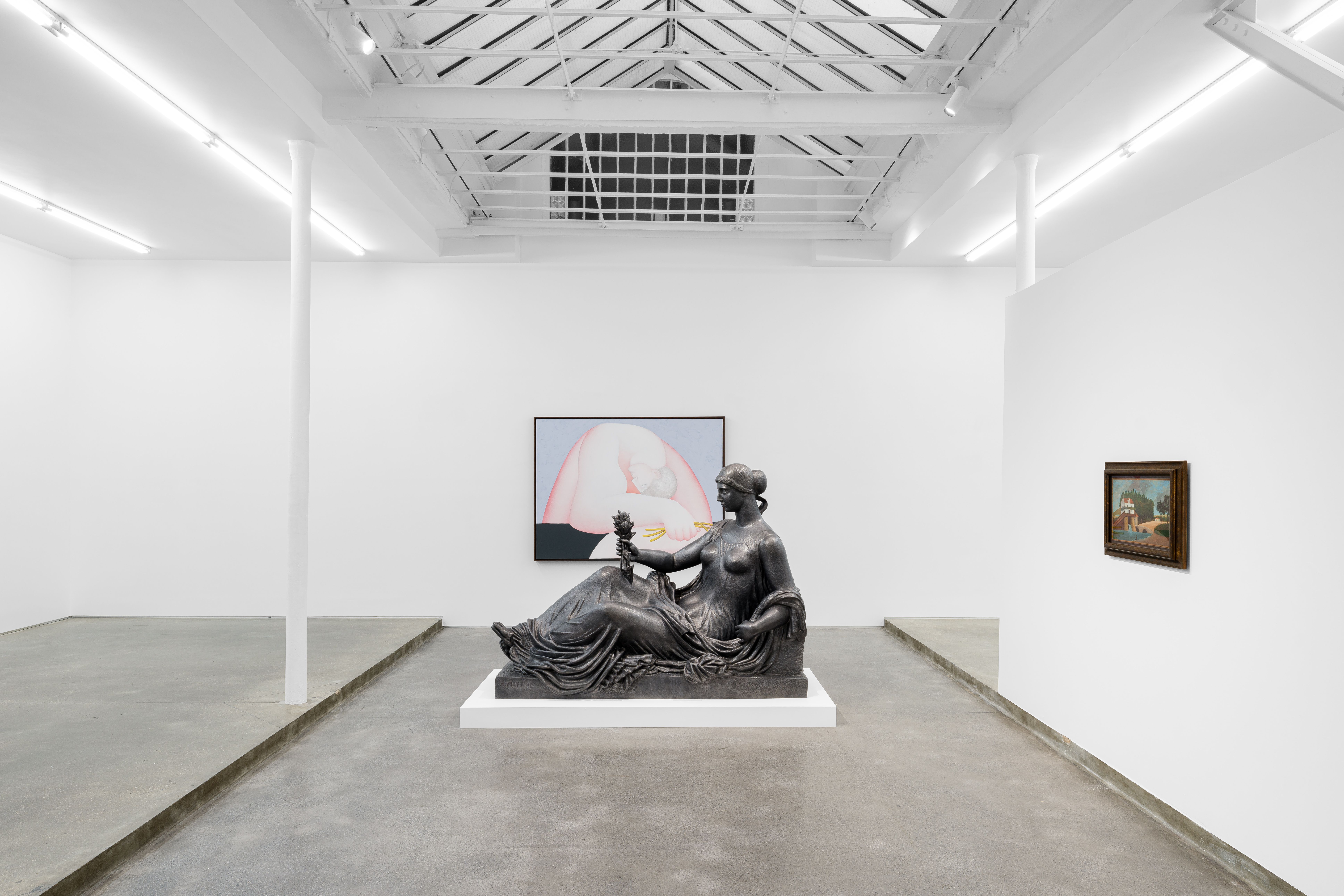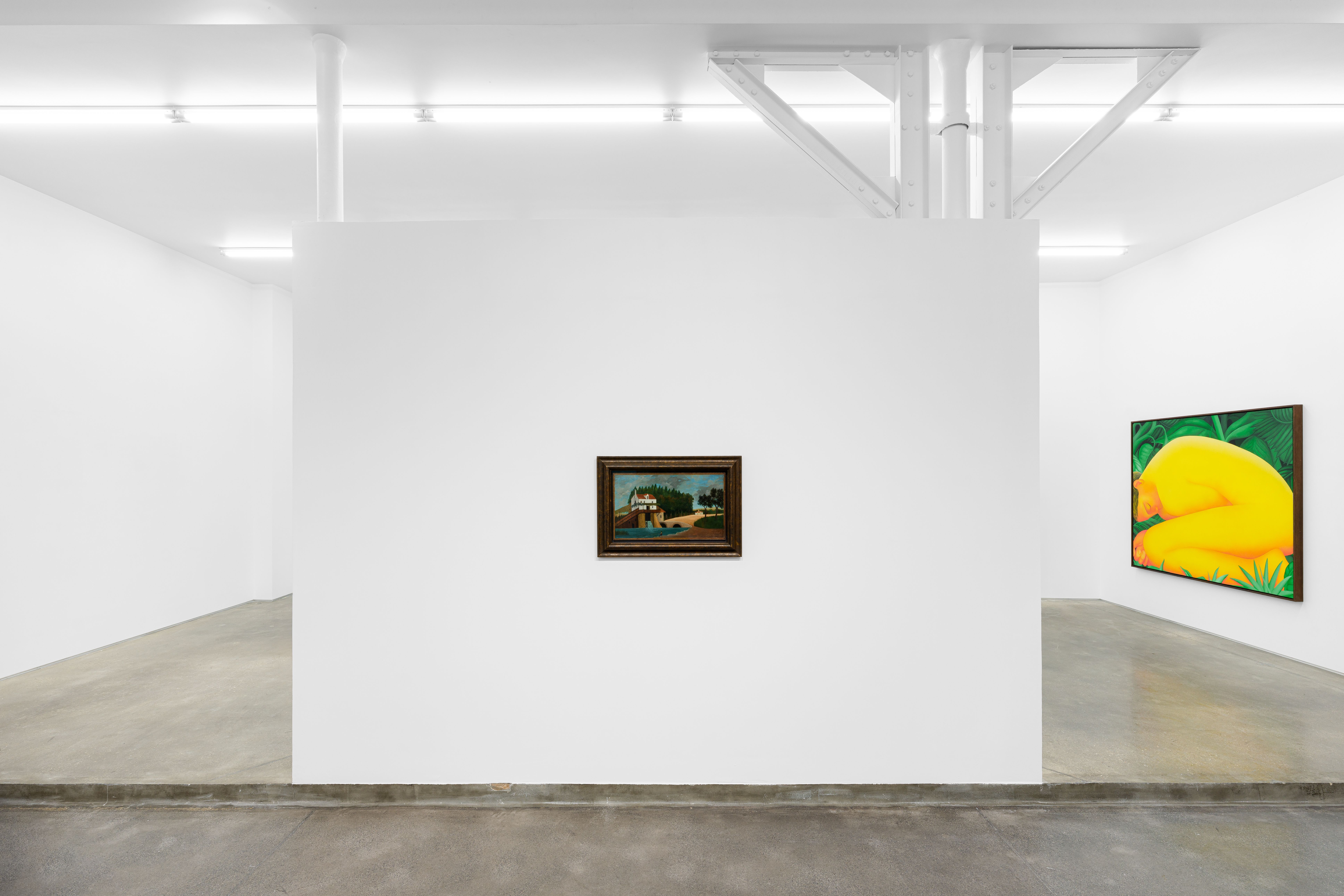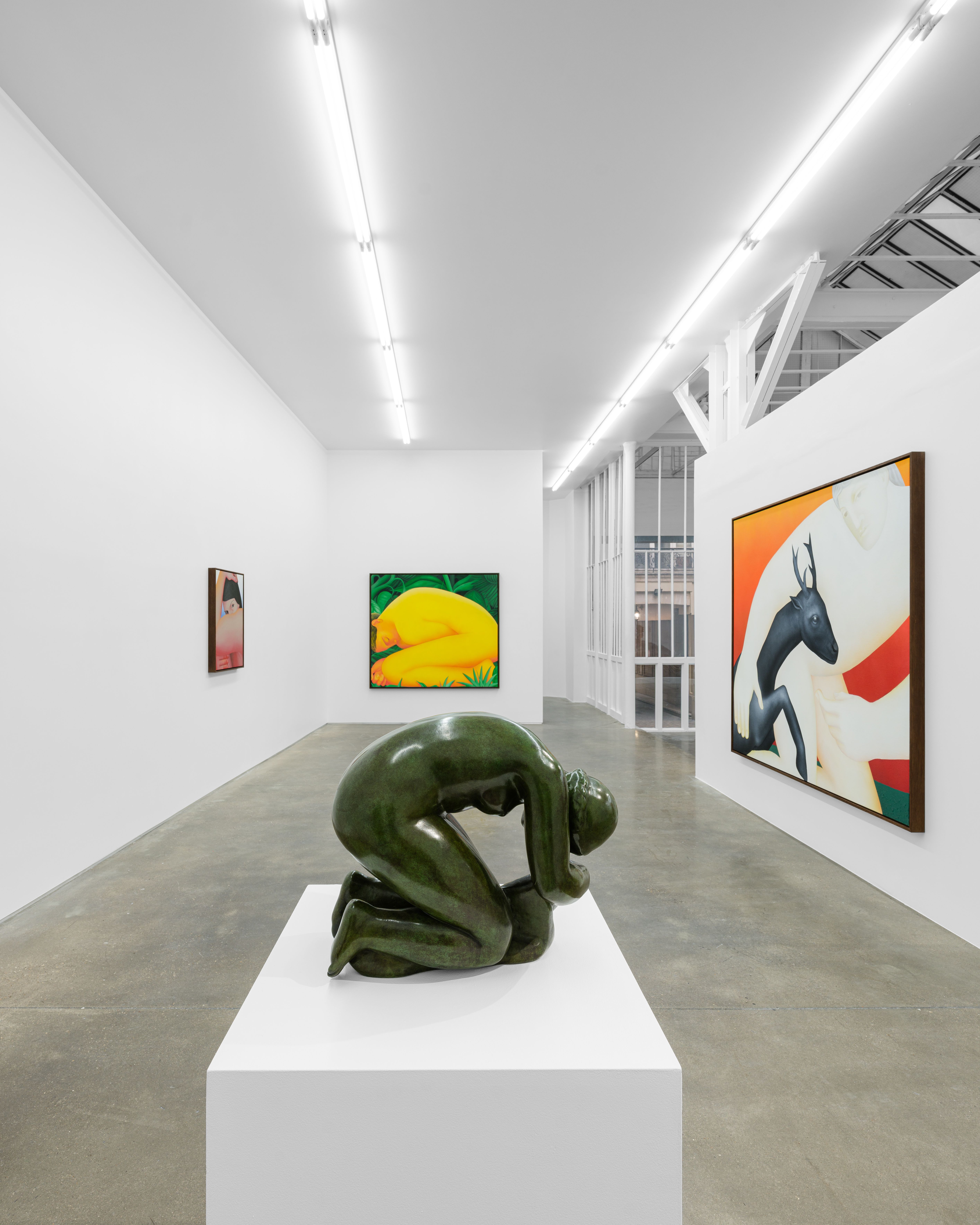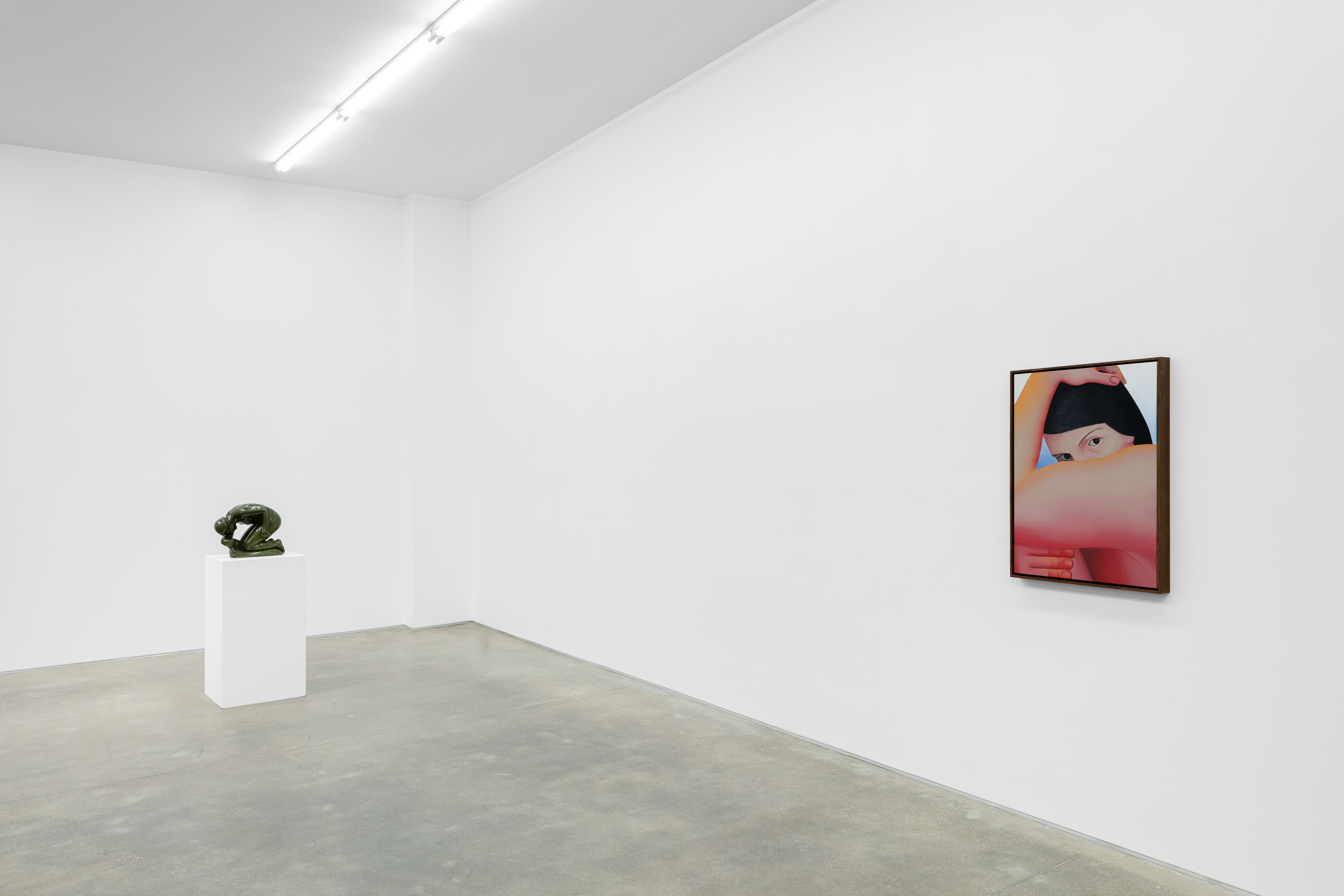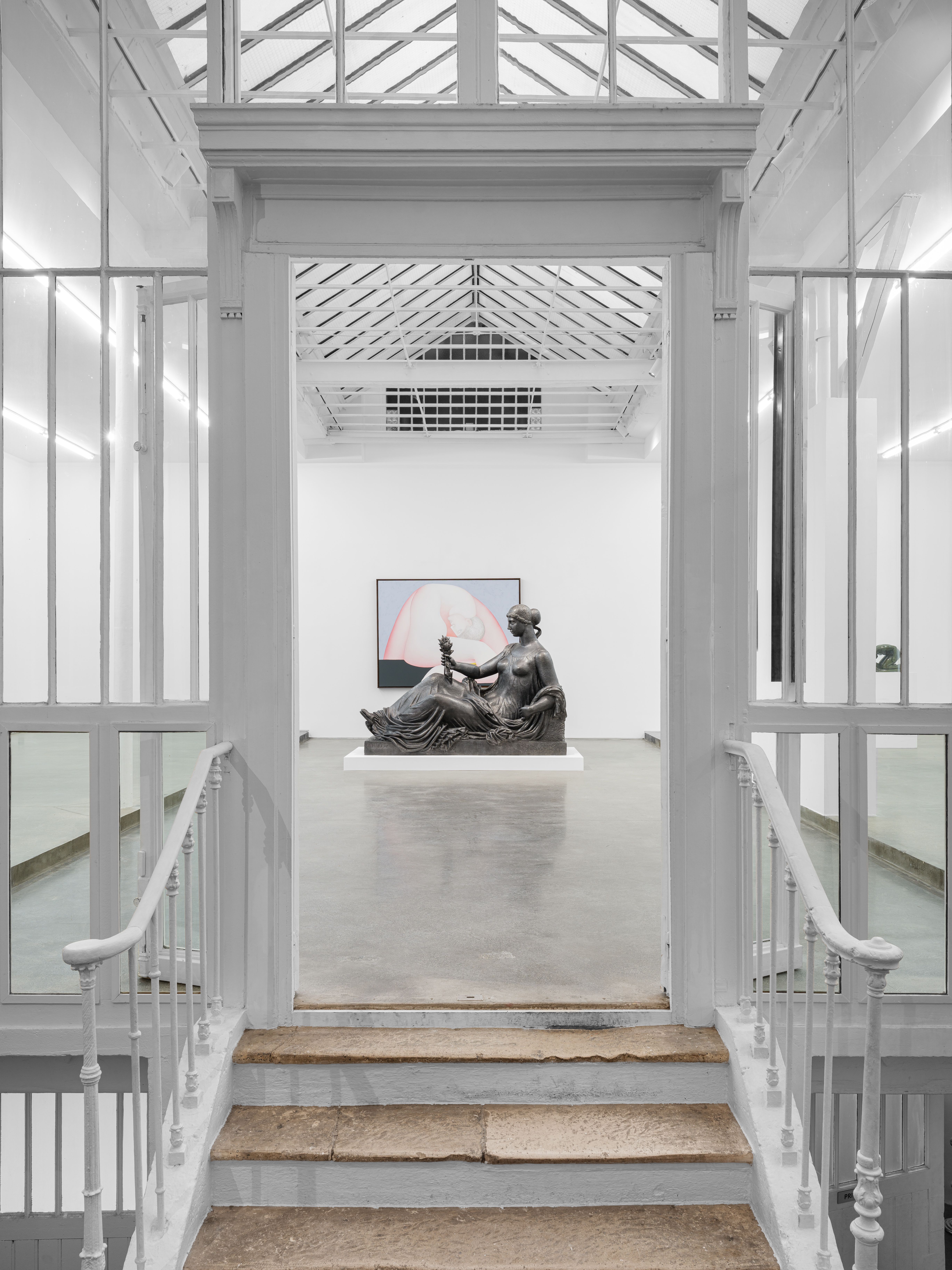
For his new exhibition at Galerie Derouillon, Vojtěch Kovařík unveils a new body of work in conversation with Aristide Maillol (1861–1944) and Henri Rousseau (1844–1910).
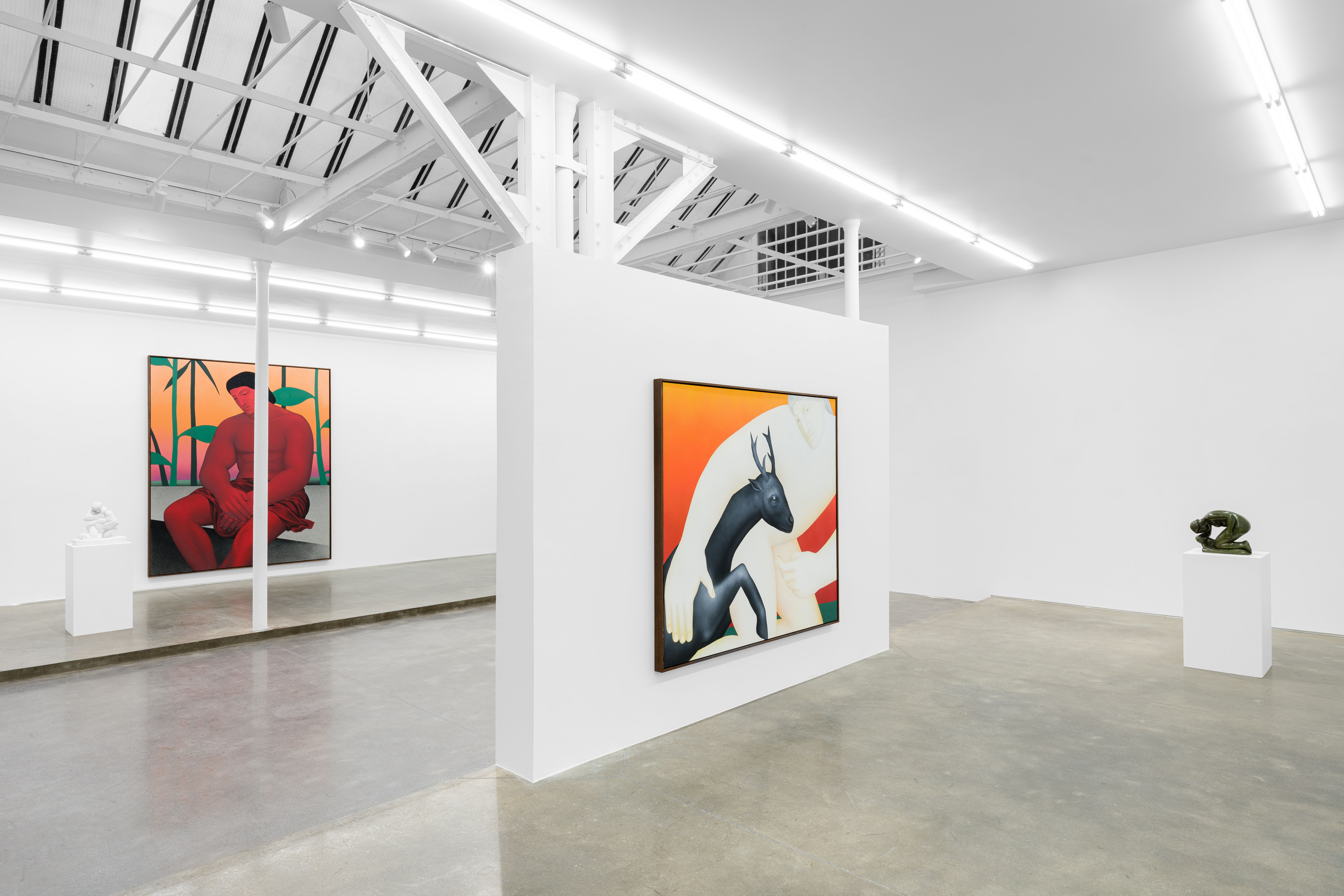
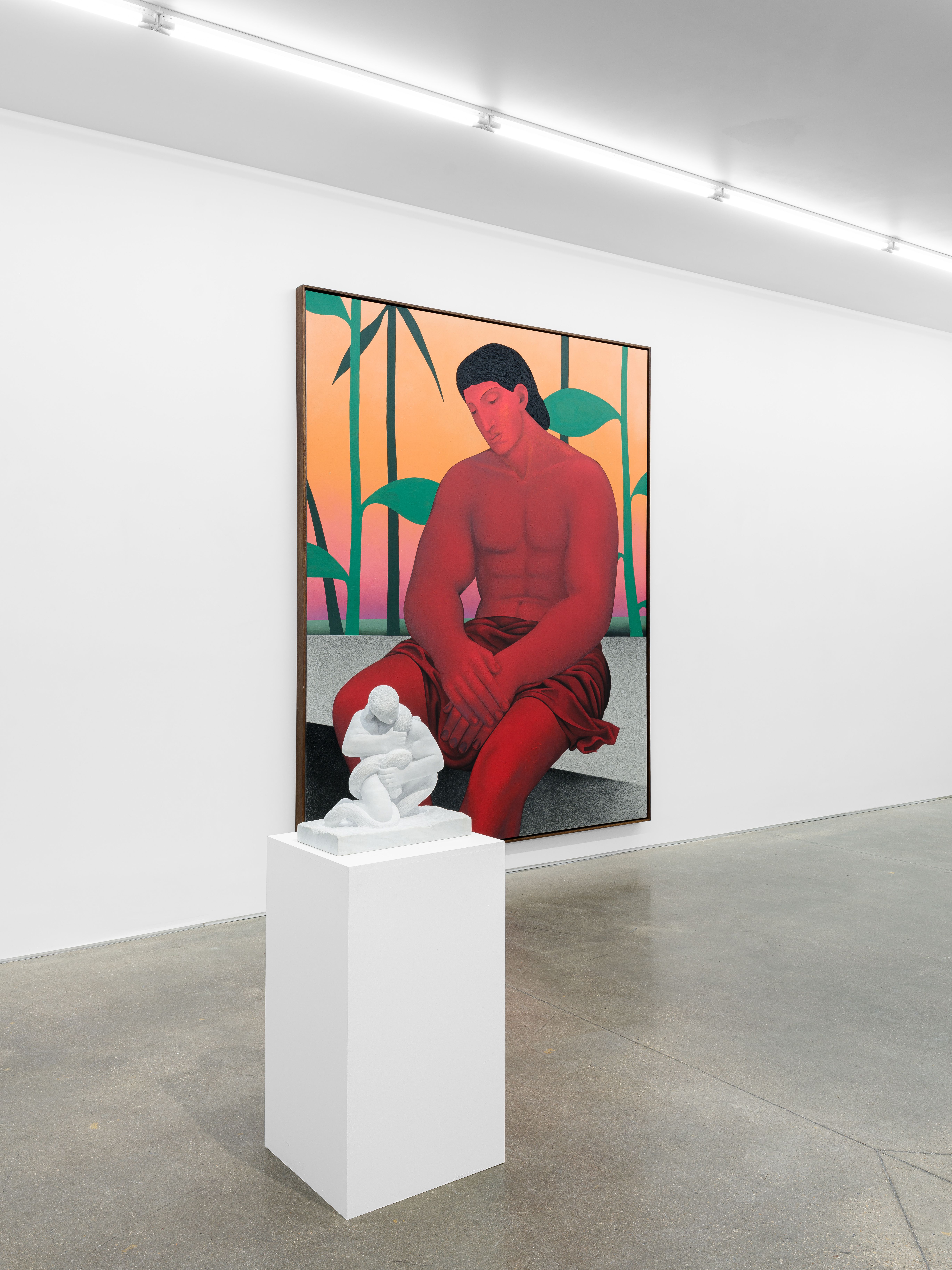
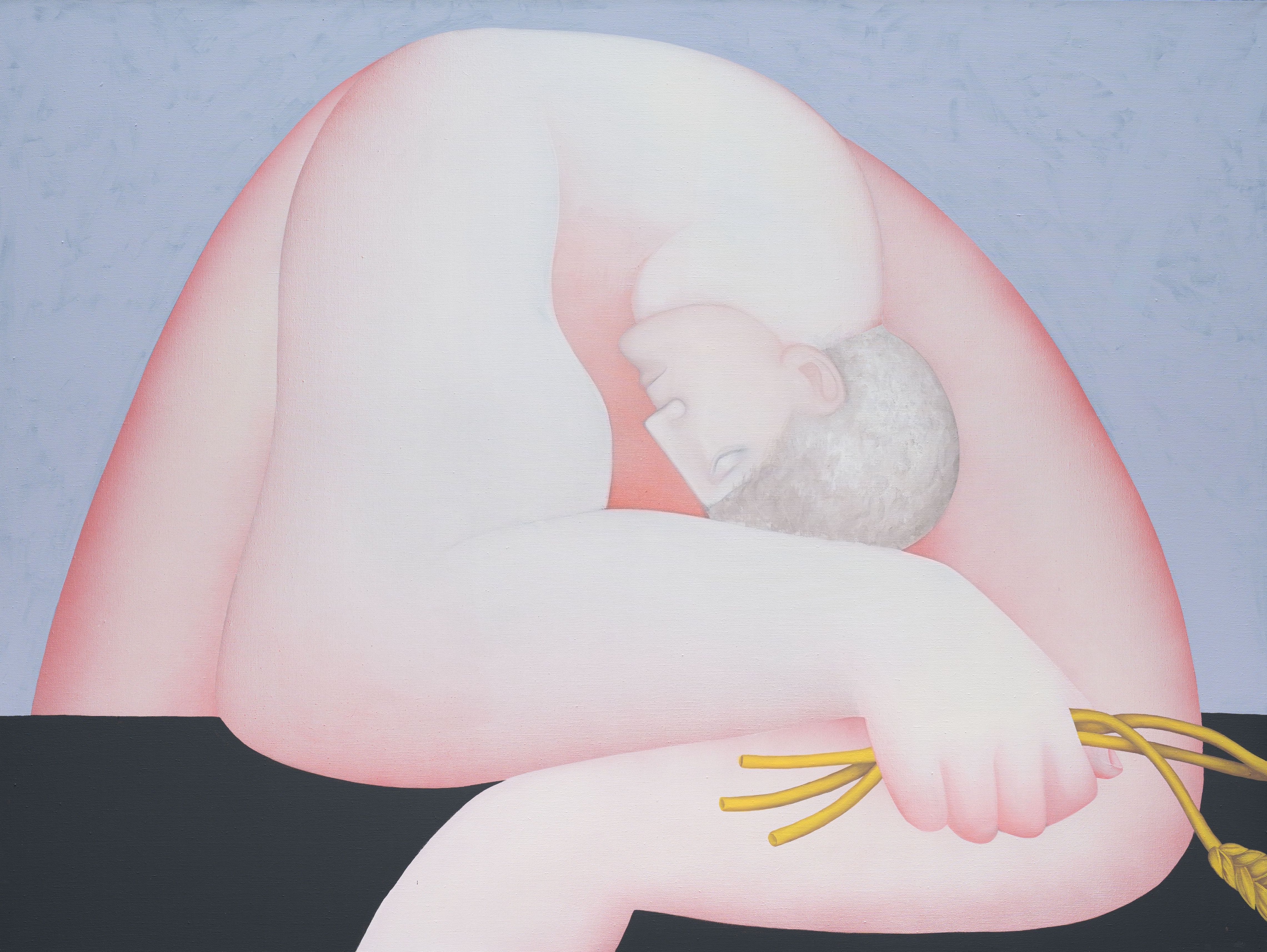
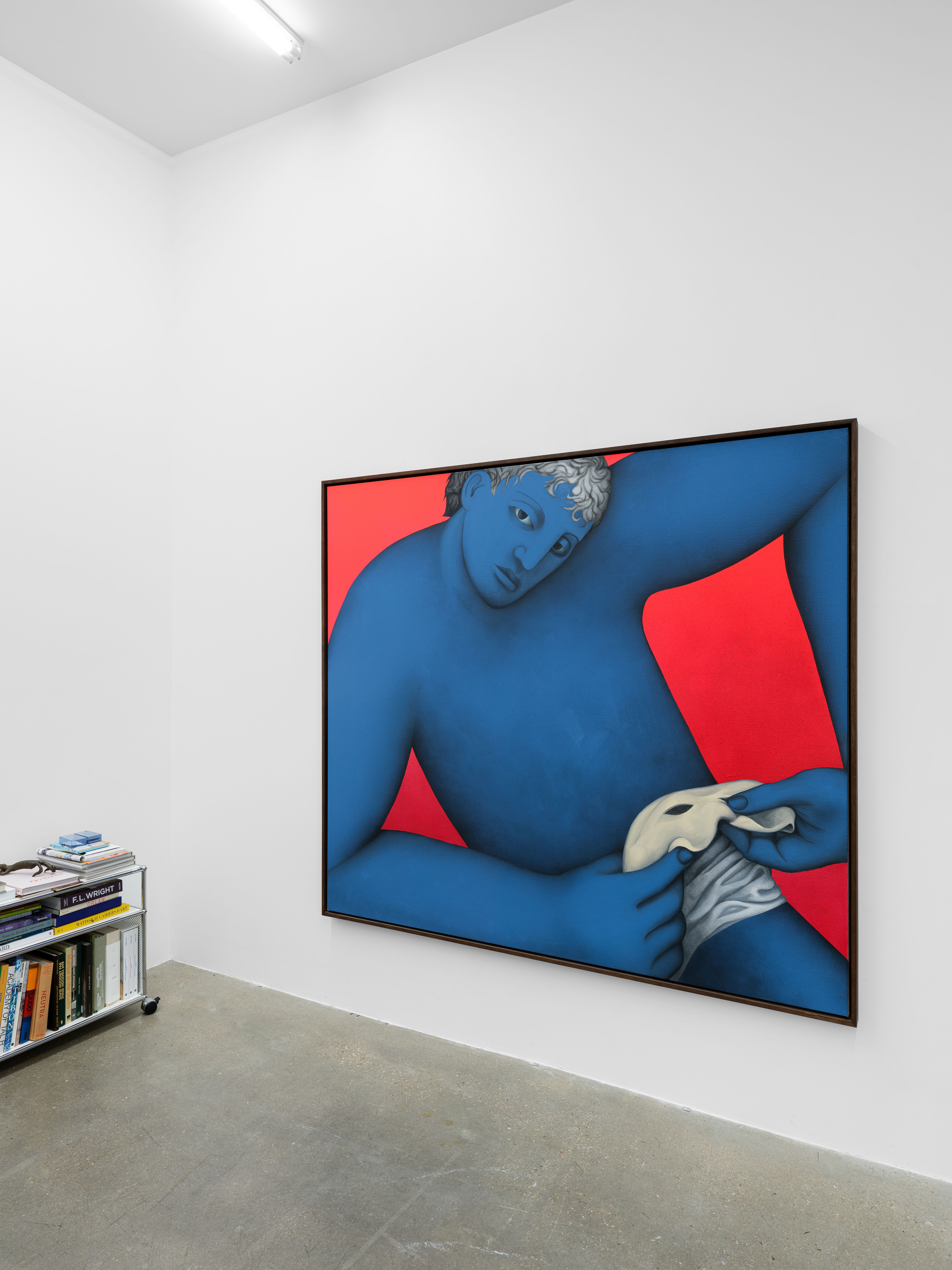
Across the gallery walls, a mythology of a new kind unfolds. The artist Vojtěch Kovařík (born in 1993) takes over the space with a new pictorial cycle, to which he has chosen to add a marble sculpture, a medium rarely seen in his practice. Whether painted or sculpted, the figures appear—through the massiveness of their bodies, their nudity, and the innuendo embedded in their titles—as a gallery of heroes and gods abandoned to their fate.
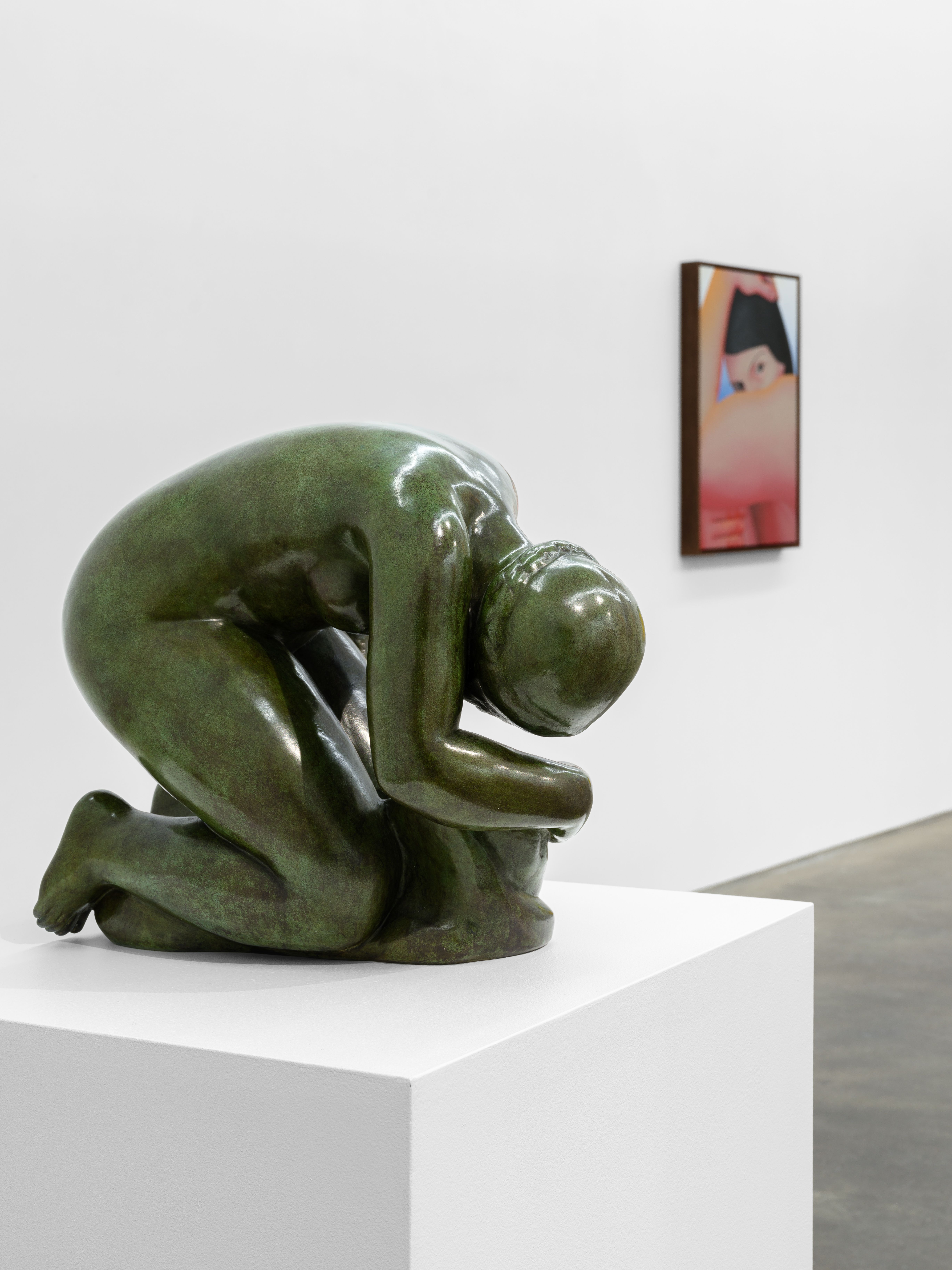
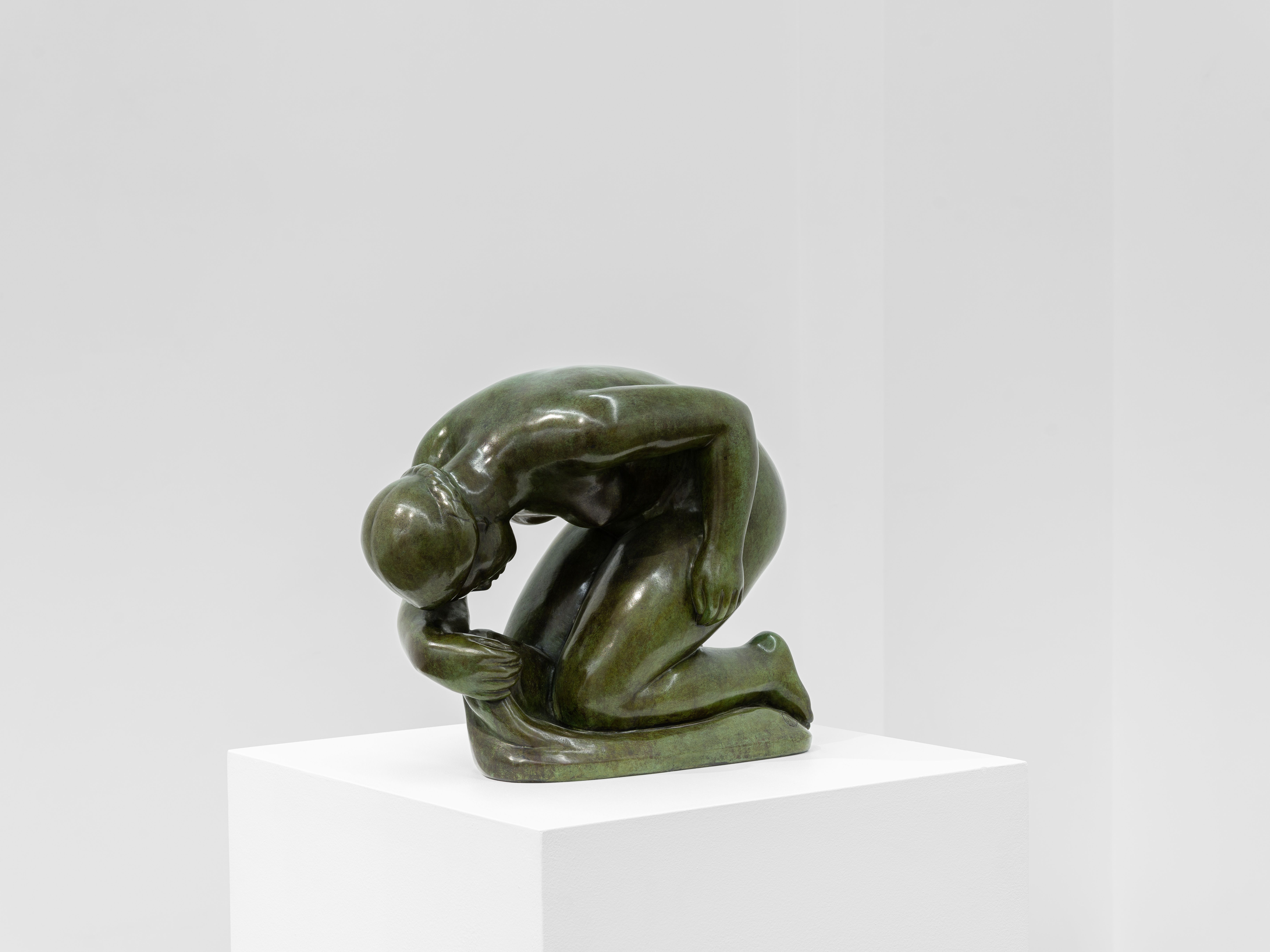
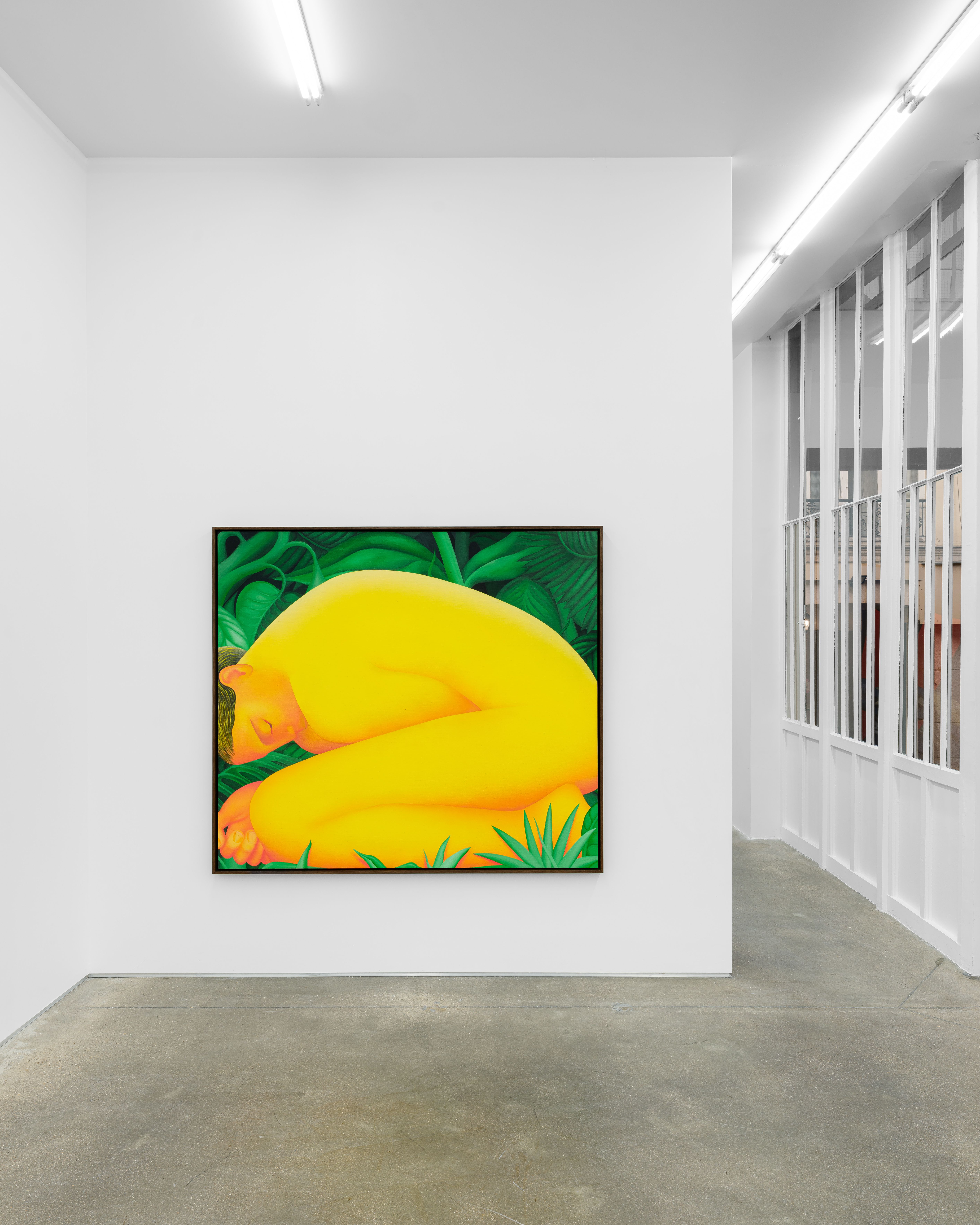
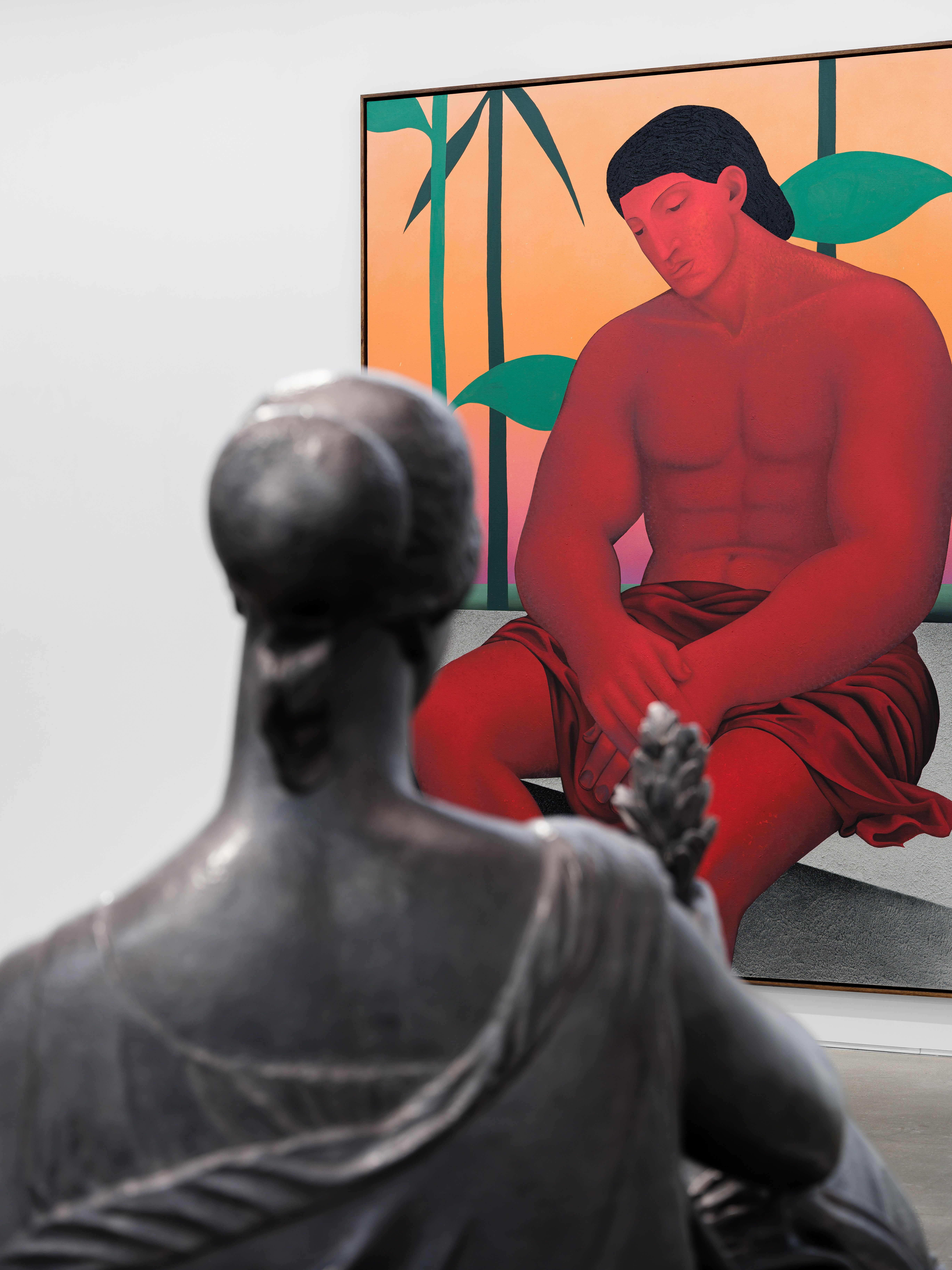
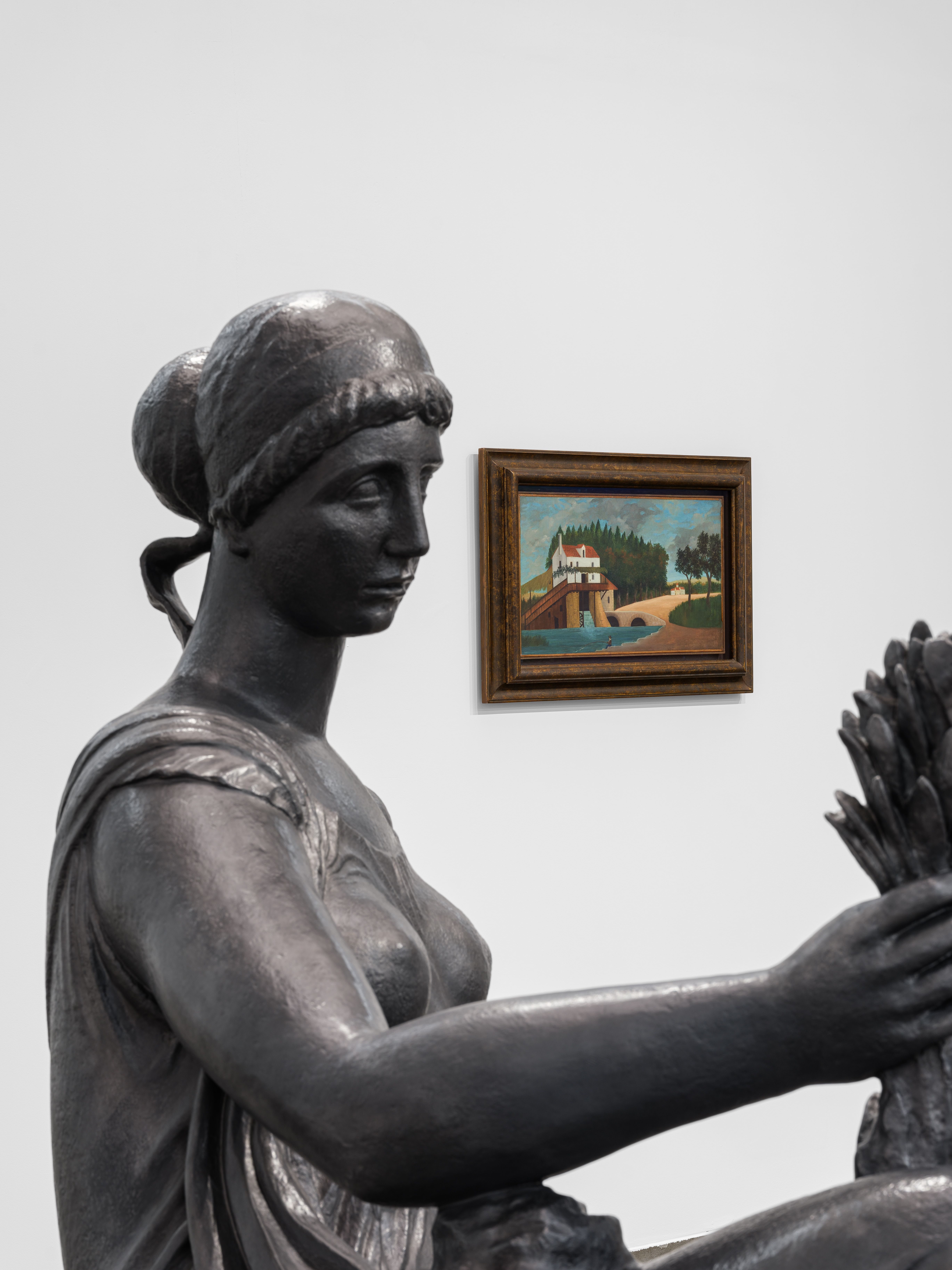
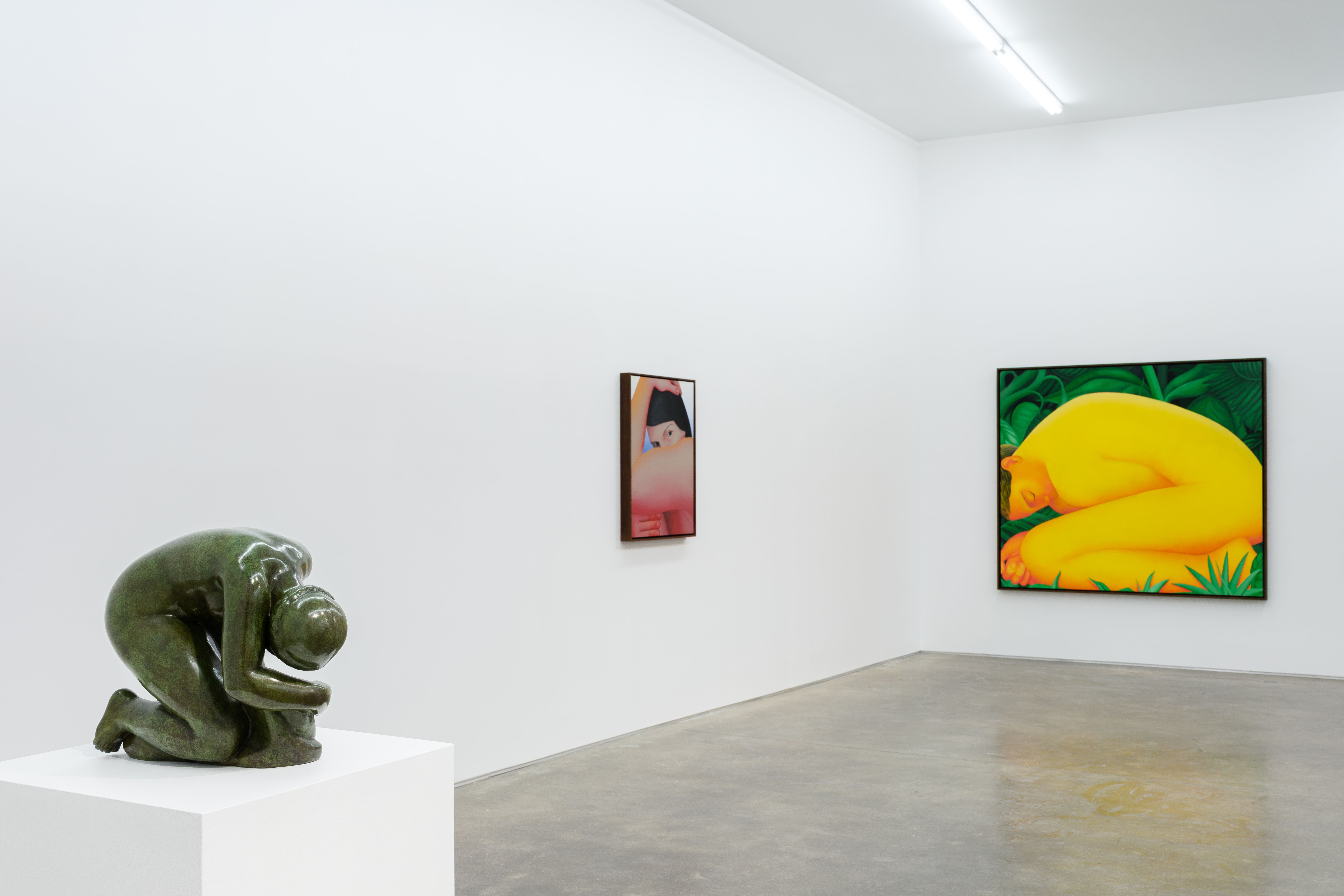
Visitors will notice that the artist’s sculpture is not the only surprise here. Indeed, the artist’s works are joined by two major figures from the history of art at the turn of the twentieth century: Aristide Maillol (1861–1944) and Henri Rousseau, known as “Le Douanier Rousseau” (1844–1910). Here, Vojtěch Kovařík has chosen to place himself in the wake of a particular art history in which the representation of the body and, above all, its inscription within a setting as much as within public space, constitutes a fundamental concern. Born in the Czech Republic and trained as a sculptor, having grown up surrounded by monumental sculptures rooted in socialist realism, Kovařík has continually examined the ways in which political interests have confined bodies—particularly male ones—within postures of authority and power. Rousseau and Maillol, two essential references for him, became antidotes, saving vanishing points. From Maillol, Kovařík borrows the way he placed bodies—predominantly female—in a balance between massiveness and restraint, and how Maillol managed to redirect public commissions, often political and patriotic in nature, into odes to peace and repose, with warrior and heroic figures giving way to allegories that are at once pantheistic and melancholic. Kovařík draws inspiration in particular from the way Maillol titled certain works, such as Mountain. From Rousseau, Kovařík explores a highly specific relationship to space, especially when the “Douanier” rendered his figures as flat as possible, refusing all perspective, while nonetheless creating strikingly powerful effects of contrast and relief within the setting. In Rousseau, when the setting stands alone—as in Le Moulin (1896), shown here—the entire picture plane flattens out. In Kovařík, the opposite occurs. The imposing bodies often create the illusion of genuine roundness, as though real sculptures were embedded in the canvas. The background, by contrast, generally asserts its perfect flatness, either through simple coloured abstraction, or through the juxtaposition of various motifs, some of which carry a wholly tangible relief, yet whose artificiality only reinforces the absence of any illusionistic impression. Before the End of the Golden Age can be read as a homage to both, in which a figure huddled in prayer or despair, awaiting the close of a golden age, summons both the massive-passive forms of Maillol and the atmosphere of strange mythology found in Rousseau, where figures insert themselves artificially into makeshift jungles in which every leaf has been painted separately — precisely as Rousseau did.
Vojtěch Kovařík’s works do not belong to the real world. The colour of the skin, as much as that of the backgrounds, transports us into a world that is as symbolic as it is ethereal, where everything is a matter of contrast and dialogue. The colours, often aggressive, exist side by side until they reach a form of balance — curiously harmonious.
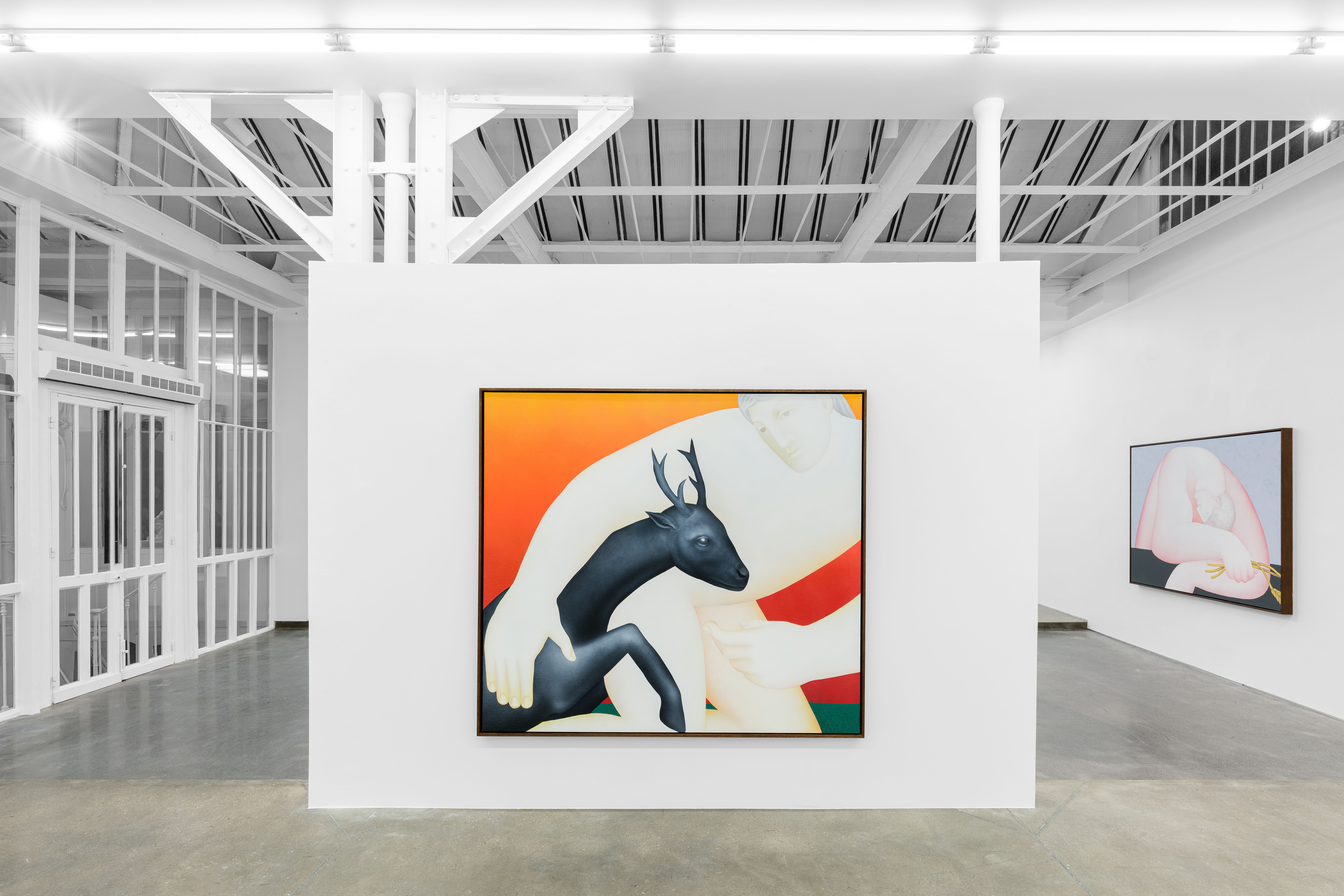
Influenced by Jungian archetypes, Vojtěch Kovařík probes an entire host of myths in an allusive and indirect way. The figures appear defeated, languid, pensive. Their nudity and physical amplitude summon no antique heroism, but instead gesture toward a form of masculinity stripped of a certain apparatus built on strength, domination, and certainty. In Kovařík's work, mythology is not a closed and traditional narrative, but an open space, a point of departure toward a world yet to be built. His sculpted Laocoön wrestles with the serpents less than he embraces them, as if the new archetype of a masculinity to come rested less on confrontation with an adversary than on the love one bears for what is other — in the manner of Symbiosis, in which a figure as monumental as it is spectral merges with a young black stag.
Vojtěch Kovařík lays the foundations for another future, “where life grows again.”
Nicolas-Xavier Ferrand